Speed Stars
Speed Stars Complete Track & Field Sprint Mechanics Guide
What Is Speed Stars & The Physics of Biomechanical Sprinting
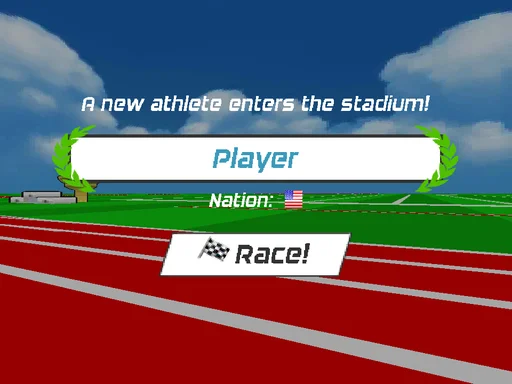
Speed Stars is a critically acclaimed 2-button physics track and field simulation that captures the scientific rhythm and explosive athleticism of Olympic sprinting. Stepping onto world-class synthetic rubber tracks in front of roaring stadium crowds, players control the individual leg mechanics of an elite sprinter competing across 60m, 100m, 200m, and 400m dash events, as well as hurdle competitions. Rather than relying on mindless button mashing, Speed Stars is governed by biomechanical cadence, stride frequency, and ground contact force.
The game's physical engine models hip extension, foot strike angles, and momentum decay. Every press of your alternating stride buttons commands one leg to strike the track and propel the athlete forward. On [Dirtbound](/), precision timing separates world-record holders from amateur joggers: tapping too fast results in clumsy short strides that fail to build momentum, while tapping too slowly causes your sprinter to lose balance and stumble onto the track. Finding the sweet spot of rhythmic acceleration allows your runner to achieve blazing top-end velocities exceeding 27 mph.
Featuring customizable athlete appearances, global ghost leaderboards, and multiple distance disciplines, Speed Stars delivers pure competitive sports gaming at its finest.

Event Disciplines & Track Progression
Speed Stars features a comprehensive suite of Olympic running disciplines, each demanding a distinct physiological pacing strategy:
1. The 60m Indoor Dash: A pure test of explosive reaction time and starting block drive phase. There is zero time to recover from a slow start; you must reach peak velocity within your first four strides.
2. The 100m Blue Ribbon Sprint: The classic Olympic distance. Divided into three distinct biomechanical phases: the 0-30m drive phase with low torso angle, the 30-70m upright maximum velocity transition, and the 70-100m speed maintenance sprint to the tape.
3. The 200m Curve Sprint: Introduces track curvature where centrifugal forces demand subtle pacing adjustments before straightening out into the home stretch.
4. 110m High Hurdles: Requires integrating rhythmic 3-stride patterns between hurdles with precision jump timing to clear barriers without clipping knees.
Earning gold medals across global tournaments unlocks commemorative spikes, international track kits, and custom stadium backdrops in the athlete wardrobe.
Complete Biomechanical Controls Guide (Keyboard & Mobile)
Executing seamless, metronomic running cadences requires synchronized dual-button commands:
- Left Arrow or J Key: Left Leg Drive. Commands the left foot to strike the track surface and push backward.
- Right Arrow or K Key: Right Leg Drive. Commands the right foot to strike the track surface and push backward.
- Spacebar or Up Arrow: Hurdle Jump (in high hurdles events). Launches the sprinter upward into a low, forward-reaching hurdle clearance posture.
- Down Arrow: Chest Dip / Lean. Dips the athlete's chest forward across the finish line to trigger the timing photogate.
- Mobile Touch Buttons: On touchscreen phones and tablets, two large left/right thumb tap zones appear on opposite sides of the lower display for natural finger drumming.
Rhythm is everything. Treat your keyboard like a musical instrument: listen to the rhythmic tap-tap-tap of your foot strikes to lock into the optimal cadence as your stride lengthens down the track.
Biomechanical Phases: Drive, Max Velocity & Maintenance
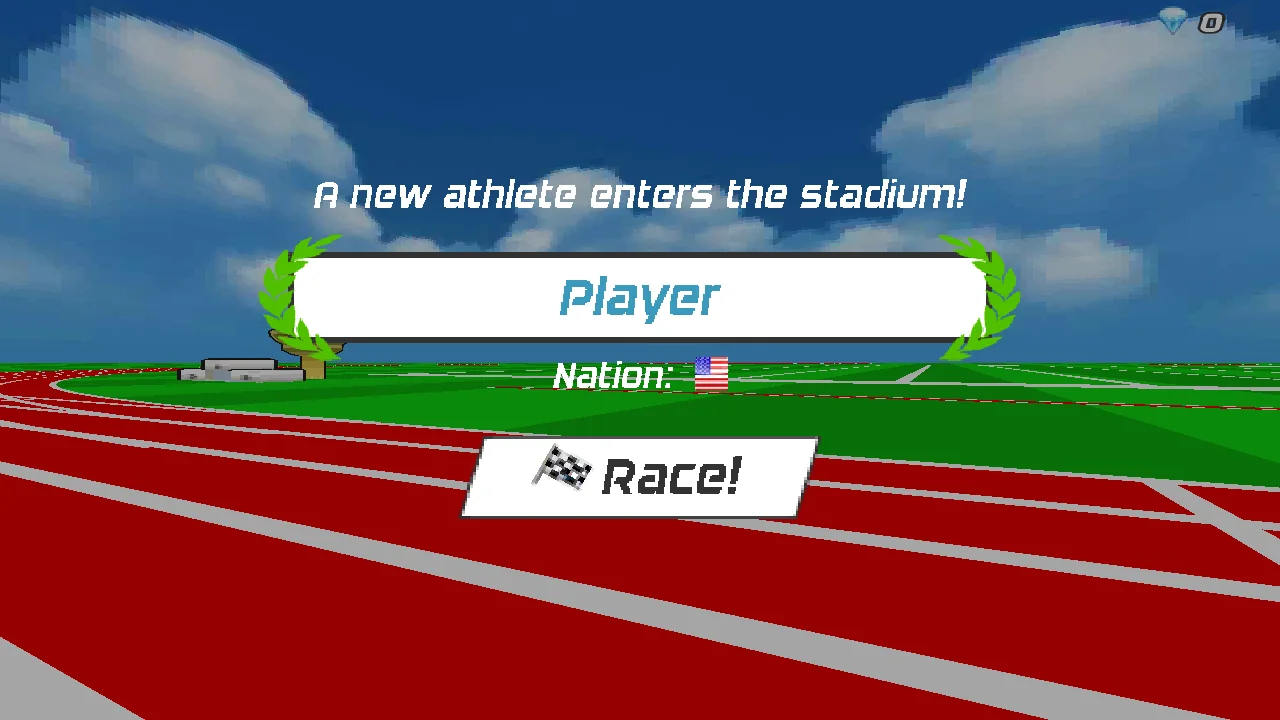
To break the legendary 9.58-second barrier in the 100m dash, you must execute all three physiological running phases with technical perfection:
- The Drive Phase (0 to 30 Meters): Keep your athlete's head down and torso angled forward at 45 degrees. Begin with deliberate, powerful strides that push backward into the track rather than reaching forward. Stride frequency starts moderate and increases progressively with each step.
- Maximum Velocity Phase (30 to 70 Meters): Raise your posture upright. Your knees should drive high while foot strikes land directly beneath your center of mass. This is where your stride frequency reaches its absolute peak—tap with maximum rhythmic speed.
- Speed Maintenance Phase (70 to 100 Meters): Fatigue sets in as ATP energy reserves deplete. Relax your shoulders and avoid frantic over-tapping, which causes muscle tightening and deceleration. Focus on smooth, long strides through the line.
Mastering this 3-tier pacing structure ensures you carry maximum velocity across the final 20 meters of every race.
Beginner Mistakes & Critical Track Fundamentals
Many rookie runners fail to break 10.50 seconds due to fundamental timing errors. Master these competitive track rules:
First, never false start. Anticipating the gun by guessing the cadence of the starting official results in an immediate false start disqualification. Wait for the visual gunshot flash and acoustic bang before executing your first stride.
Second, avoid double-tapping the same foot. Pressing the right key twice in a row stumbles your athlete, causing an immediate 0.4-second speed drop that ruins your split.
Third, do not jump hurdles too early. In hurdle events, launching three meters before the barrier causes your athlete to land flat on top of the hurdle crossbar. Jump within 1.5 meters to skim millimeters over the wood.
Advanced Ghost Racing & World Record Tactics
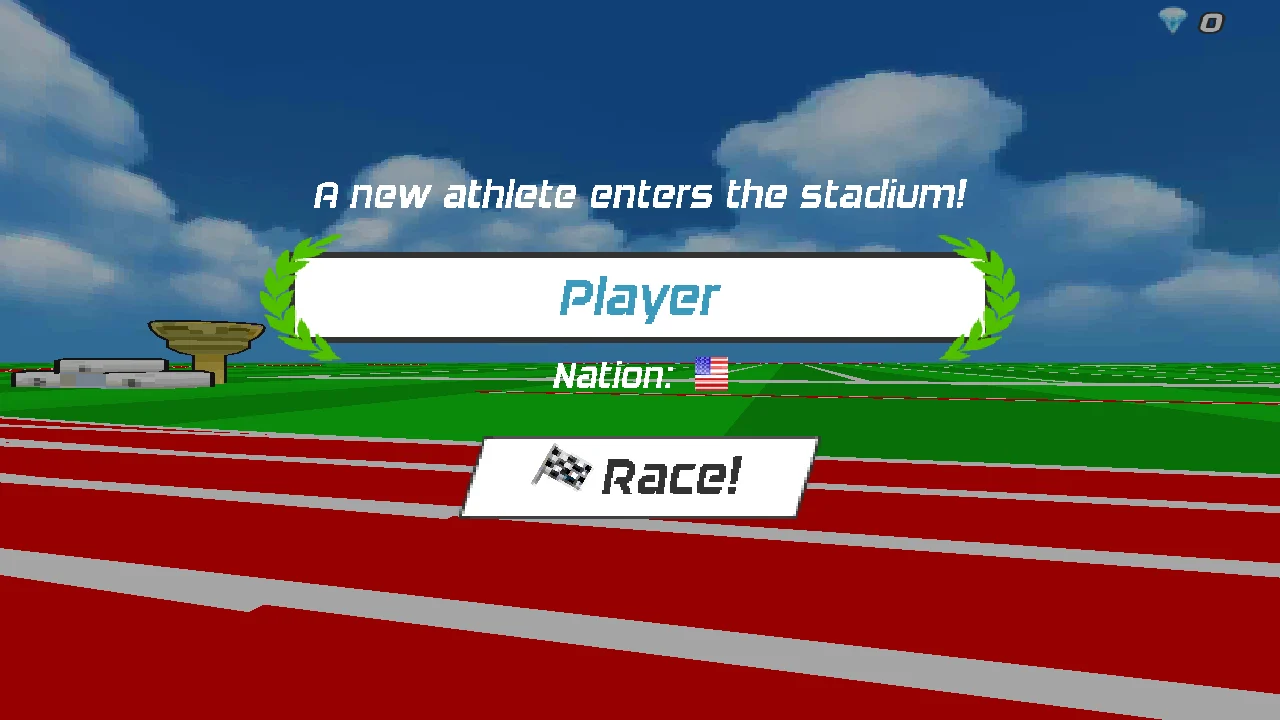
To challenge the fastest runners in the world on global leaderboards, employ these elite techniques:
1. The Starting Gun Reaction Window: Train your auditory reflex to react within 120 milliseconds of the audio cue. Elite players achieve sub-0.110s reaction times that provide an immediate half-meter lead.
2. Visual Stride Synchronization: Watch the athlete's heel recovery. The exact millisecond the trailing heel reaches hip height is the optimal window to strike the alternating key.
3. The Micro-Torso Dip: Press the lean key exactly two strides before the finish line. The forward lean breaks the optical sensor beam up to five hundredths of a second earlier than an upright chest.
Discover more precision timing challenges in our [Sports Games](/sports-games/) category or test your vehicle reflexes in [Racing Games](/racing-games/) on Dirtbound.
Technical Performance & Universal Compatibility
Speed Stars is constructed with lightweight HTML5 physics architecture for instantaneous response:
- Sub-Millisecond Input Polling: Zero input latency ensures your finger drum rhythms translate with absolute fidelity to the on-screen runner.
- High-Refresh-Rate Displays: Fully supports 120Hz and 144Hz monitors for crystal-clear visual foot-strike feedback.
- Universal Cross-Browser Support: Plays flawlessly across Chrome, Safari, Edge, Firefox, and Opera without plugins.
- Instant Replay Tracking: Review your stride cadence and split times with real-time biometric telemetry after every race.