Tunnel Rush
Tunnel Rush Complete Hyperspeed Reflex & Tunnel Evasion Guide
What Is Tunnel Rush & First-Person Rotational Physics
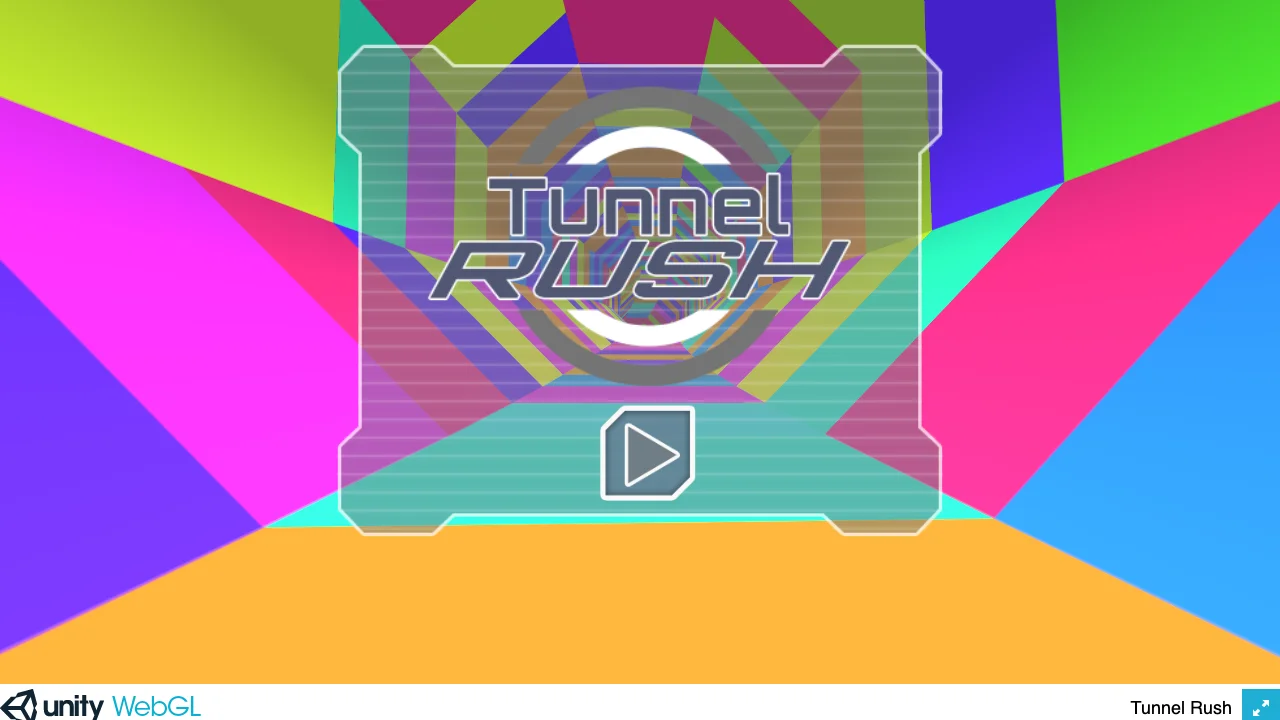
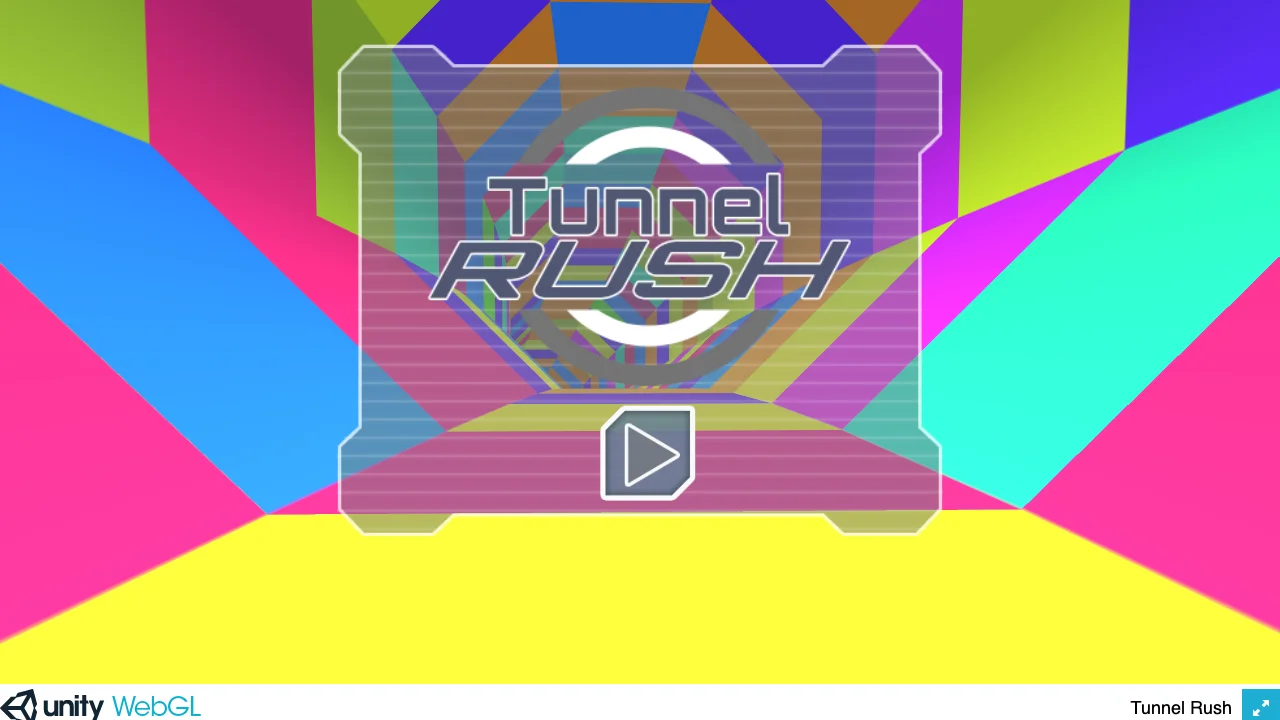
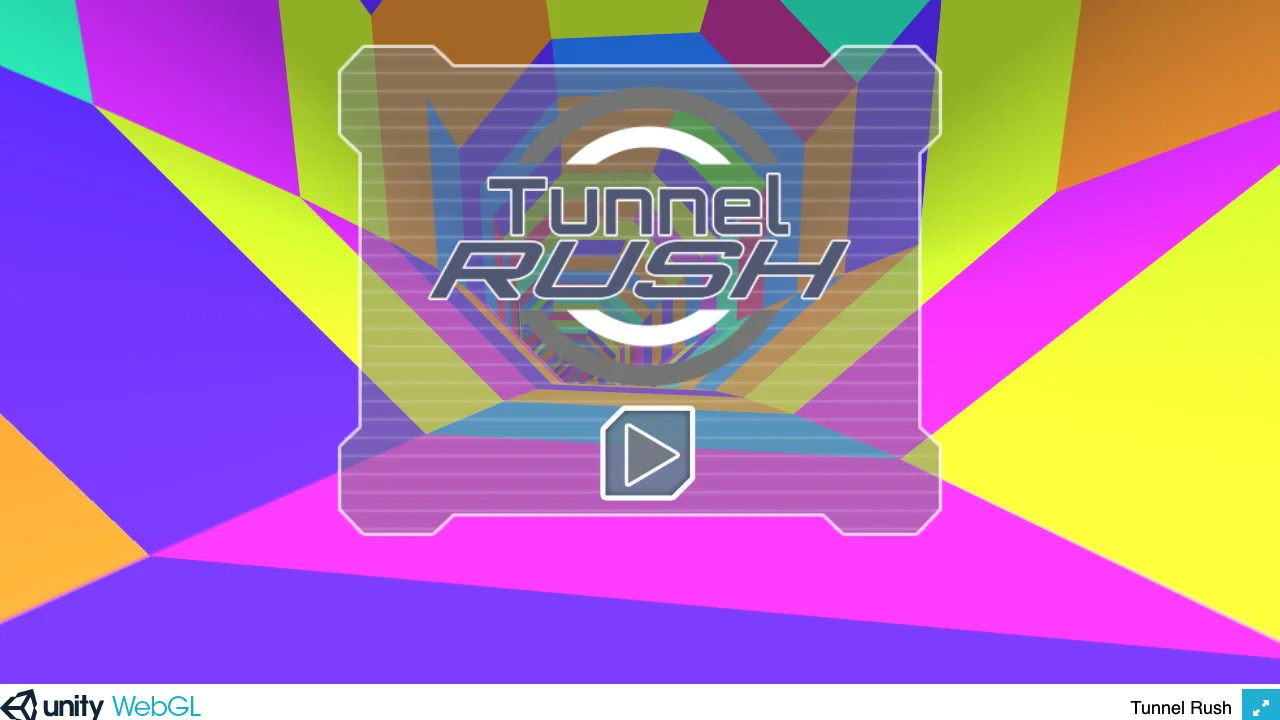
Tunnel Rush is an electrifying first-person 3D reflex challenge that plunges players into an endless, high-velocity tube filled with kaleidoscopic colors and shifting geometric obstacles. Moving forward at automatic terminal speed, your task is deceptively straightforward yet relentlessly difficult: rotate along the cylindrical walls of the tunnel to navigate through narrow openings in rotating hazard walls without crashing.
Unlike traditional third-person racers with external vehicle avatars, Tunnel Rush places your visual perspective directly inside the vortex. The world rotates around your central line of sight, creating an intense test of spatial coordination and vestibular reaction time. On [Dirtbound](/), speed and precision collide. Every fraction of a second counts. A single collision with a stationary red triangle, rotating polygon spoke, or sliding half-barrier results in an immediate crash, wiping your distance back to the beginning of the level.
With vivid shifting color palettes, pulsating techno rhythms, and progressively complex hazard patterns, Tunnel Rush delivers a mesmerizing arcade flow state that keeps adrenaline pumping.
Understanding Level Pacing & Speed Milestones
Tunnel Rush is structured into progressively demanding stages characterized by shifting color schemes, narrowing tunnel circumferences, and complex barrier kinematics. Understanding how levels evolve helps you anticipate upcoming dangers:
1. Warmup Quadrants (Levels 1 to 5): Obstacles are primarily static red and yellow triangular blocks occupying single facets of the tunnel. Use these early levels to synchronize your finger inputs with camera rotational speed.
2. Dynamic Rotating Spokes (Levels 6 to 12): Barriers begin spinning clockwise or counter-clockwise across the tunnel diameter like clock hands. You must calculate where the opening wedge will be by the time your camera reaches the obstacle plane.
3. Segmented Double Barriers (Levels 13 to 20): Sequential barriers are placed in close proximity with opposing openings. Successfully clearing the first barrier requires immediate opposite counter-rotation to slip through the second gap.
4. Hyper-Velocity Vortex (Levels 21+): Speeds escalate to extreme limits. Tunnel walls cycle through rapid color strobes, demanding pure instinct, muscle memory, and instantaneous pattern recognition.
Each stage complete screen records your elapsed survival time and milestone clear count. Consistency and calm breathing are the ultimate keys to advancing deep into double-digit stages.
Complete Rotational Controls Guide: Desktop & Mobile
Commanding your trajectory through a spinning 3D cylinder demands clean, instantaneous rotational inputs:
- A Key or Left Arrow: Rotate Counter-Clockwise (Left). Rotates the camera view along the interior circumference of the tunnel to the left.
- D Key or Right Arrow: Rotate Clockwise (Right). Rotates the camera view along the interior circumference of the tunnel to the right.
- Mobile Touch / Screen Tapping: On touchscreen phones and tablets, tapping the left side of the display rotates counter-clockwise, while tapping the right side rotates clockwise.
Because rotation in Tunnel Rush has no momentum decay (the camera stops rotating the exact millisecond you release the button), you possess absolute 1:1 control. Never hold directional buttons blindly; instead, execute sharp, calculated micro-taps to snap directly into the safe opening sector.
Hazard Anatomy & Decoding Obstacle Formations
To survive at high velocities, you must instantly recognize the geometry of each incoming barrier type:
- The Static Wedge: A triangular wedge anchored to one segment of the tunnel wall. Simply rotate away from the colored sector to the open void.
- The Propeller Spoke: Two or three spinning blades extending from a central hub. Observe the direction of blade rotation: rotate against the spin direction to pass through the trailing wake.
- The Half-Moon Semicircle: Covers exactly 180 degrees of the tunnel diameter, leaving only a half-circle opening. Requires decisive, full-quarter rotation well before arrival.
- The Alternating Checkerboard: Staggered barrier posts that force players to execute rapid left-right-left slalom weaves within half-second intervals.
- The Sliding Bar: Obstacles that shift laterally back and forth across tunnel facets. Anticipate their trajectory to enter the safe lane as the bar vacates it.
Beginner Mistakes & Critical Tunnel Survival Rules
Many players struggle to pass the first ten levels due to common cognitive habits. Overcome these hurdles by following these battle-tested rules:
First, stop over-rotating. When an obstacle appears on the left, novice players frequently panic and hold the right key too long, swinging past the safe zone and crashing into the far right barrier. Make measured, single-step rotations that place you cleanly in the opening.
Second, don't watch the bottom of your screen. Keep your focus locked firmly on the distant center vanishing point where new barriers first materialize. Recognizing an obstacle two seconds in advance gives your brain ample time to plan the exact rotational vector.
Third, do not freeze during color transitions. As the tunnel transitions between vibrant neon hues (magenta, cyan, electric lime, fiery orange), the visual flash can cause temporary cognitive hesitation. Maintain your rotational rhythm regardless of background hue changes.
Advanced Flow-State Mastery for Record Runs
Breaking past Level 25 requires entering a deep cognitive flow state where reaction time operates faster than conscious thought:
1. Peripheral Sector Anticipation: Treat the tunnel cross-section as a clock face with 12 distinct positions. Group incoming hazards mentally into clock hours (e.g., 'gap at 3 o'clock, next gap at 9 o'clock') to streamline neural processing.
2. Rhythmic Breathing Discipline: High-speed sensory input naturally elevates heart rate and induces physical tension in your fingers. Maintain steady, rhythmic deep breaths to keep finger reflexes fluid and tension-free.
3. Sound-Muted Concentration: While the electronic soundtrack is fantastic, some elite speedrunners prefer muting audio during record attempts to eliminate auditory overload, allowing 100% of cognitive bandwidth to focus on visual spatial processing.
Discover more high-speed reflex challenges in our [Arcade Games](/arcade-games/) collection, or challenge realistic vehicular handling in [Racing Games](/racing-games/) on Dirtbound.
Technical Performance & Universal Compatibility
Tunnel Rush is constructed on high-efficiency WebGL canvas technology that runs flawlessly across all platforms:
- Zero Framedrop 60 FPS: Engineered with lightweight low-poly shaders to maintain stable 60 FPS even on basic school Chromebooks.
- Immediate Instant Reload: Crashing restarts your stage within half a second with zero annoying loading screens or interstitial delays.
- Touch Latency Optimization: Native mobile touch listeners guarantee zero input delay on iPhone and Android mobile browsers.
- Pure Browser Native: Requires no downloads, installations, or permissions—play directly in your web browser anywhere.